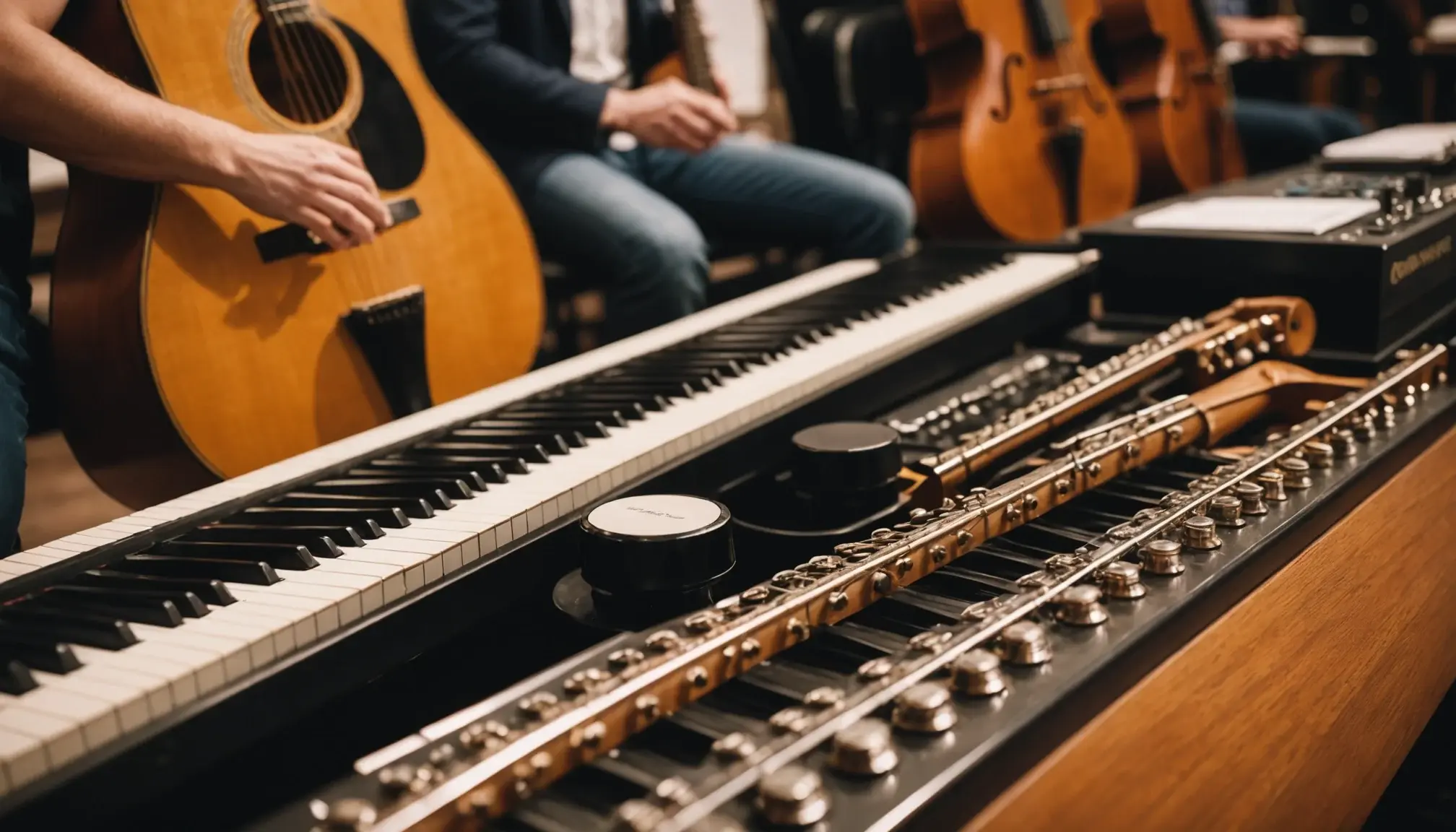
Music has long been an integral part of worship services across various religious traditions. From ancient chants to modern-day contemporary styles, the evolution of worship music reflects changes in culture, technology, and spirituality. This blog post explores the journey of worship music, highlighting significant changes and trends.
The Role of Worship Music
From the early days of organized religion, music has played a crucial role in worship. It serves not only as a form of expression but also as a means to enhance community and connection among congregants. Historically, worship music aimed to uplift the spirit and create an atmosphere conducive to prayer and reflection.
In many cultures, music was used to teach religious tenets and scriptures. For example, the Hebrew Scriptures reference songs being sung during sacrifices. These practices laid the groundwork for how music would continue to evolve in religious settings across the globe.
Historical Context of Worship Music
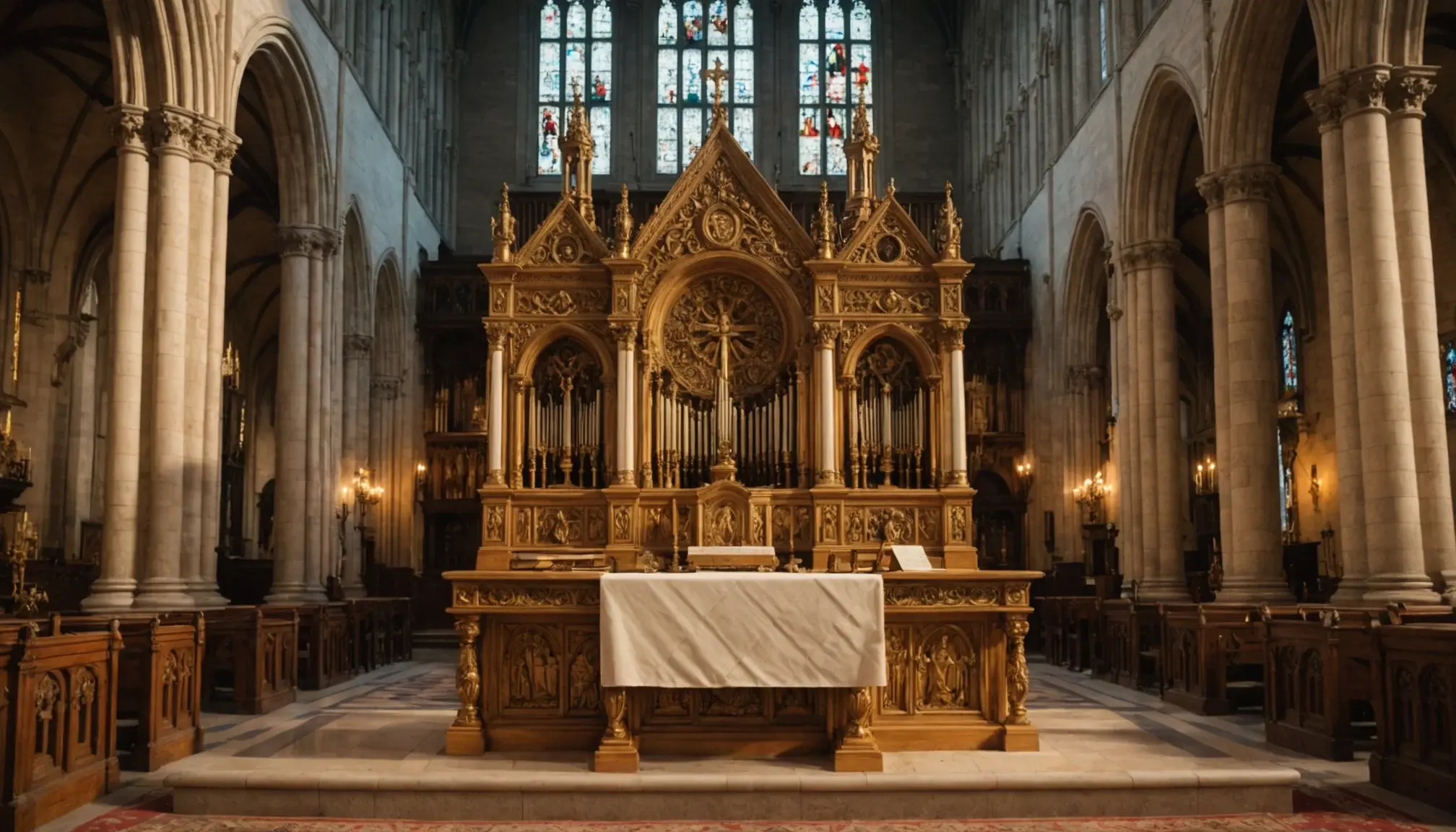
The history of worship music is rich and varied. In the early Christian church, congregational singing was limited. Most music was performed by choirs or soloists. The use of instruments was often frowned upon, as many believed that music should solely reflect the human voice.
The Reformation in the 16th century marked a pivotal change. Figures such as Martin Luther advocated for congregational singing, emphasizing the role of music in fostering a personal connection with God. This movement popularized hymns, with churches increasingly incorporating them into services to engage worshippers.
In the 19th century, gospel music emerged in America, combining African musical traditions with Christian hymns. This genre was characterized by its emotional expressiveness and community involvement. The music often included powerful lyrics that spoke to social issues, making it both a spiritual and cultural force.