As we've journeyed through the New Testament, moving from Easter into the teachings of Paul, I must confess that the path has been different from what I initially anticipated. I expected to dive into theological discussions on salvation by faith. However, as I immersed myself in Paul's letters and missionary journeys, I found myself confronted with the theme of suffering—a theme that, frankly, caught me off guard.
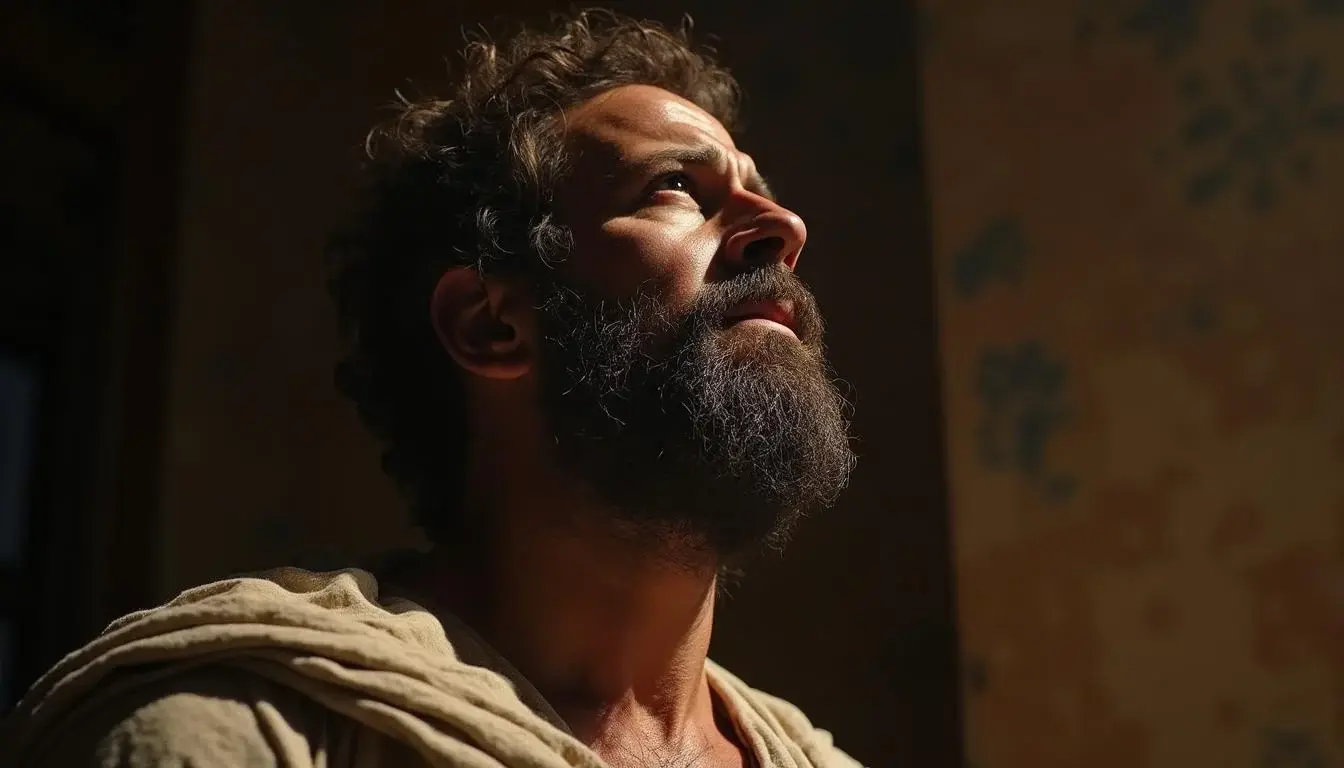
The Centrality of Suffering in Paul's Theology
Paul's writings are filled with references to suffering, perseverance, and affliction. It's easy to want to shy away from these topics, preferring instead to focus on the uplifting and hopeful aspects of faith. But Paul's life and letters remind us that suffering is not just a footnote in the Christian journey; it is central to understanding what it means to follow Jesus.
In his letters to the Corinthians, Philippians, and Galatians, Paul speaks of carrying the death of Jesus in our bodies so that His life may also be revealed in us. He talks about knowing Christ and the fellowship of His sufferings. These are not abstract concepts; they are deeply personal experiences that shaped Paul's ministry.
The Path of the Cross: What is a Cruciform Life?
Embracing the life of Christ means trusting that God meets us in our lowest moments. It's about recognizing that the journey to the cross is where we find Jesus in His purest form—a journey marked by sacrificial love, courage, and strength. The New Testament is clear: discipleship is a cruciform path shaped by the cross.
Ignoring this path leaves us unprepared for the realities of faith. It's easy to imagine persecution as something distant, occurring in far-off lands. Yet, the cost of following Jesus is rising right here in the Western world. Across Canada, the UK, Europe, and the US, believers face growing hostility—from church vandalism to legal challenges. The cruciform life is not optional; it is the road we are called to walk.
Paul's Endurance Through Trials
Consider Paul's second missionary journey. In Philippi, he and Silas were beaten and imprisoned. In Thessalonica, they faced violent opposition. In Corinth, Paul was so discouraged that the Lord appeared to him in a vision, saying, "Do not be afraid, for I am with you." Despite these trials, Paul remained faithful, and the church grew stronger.
