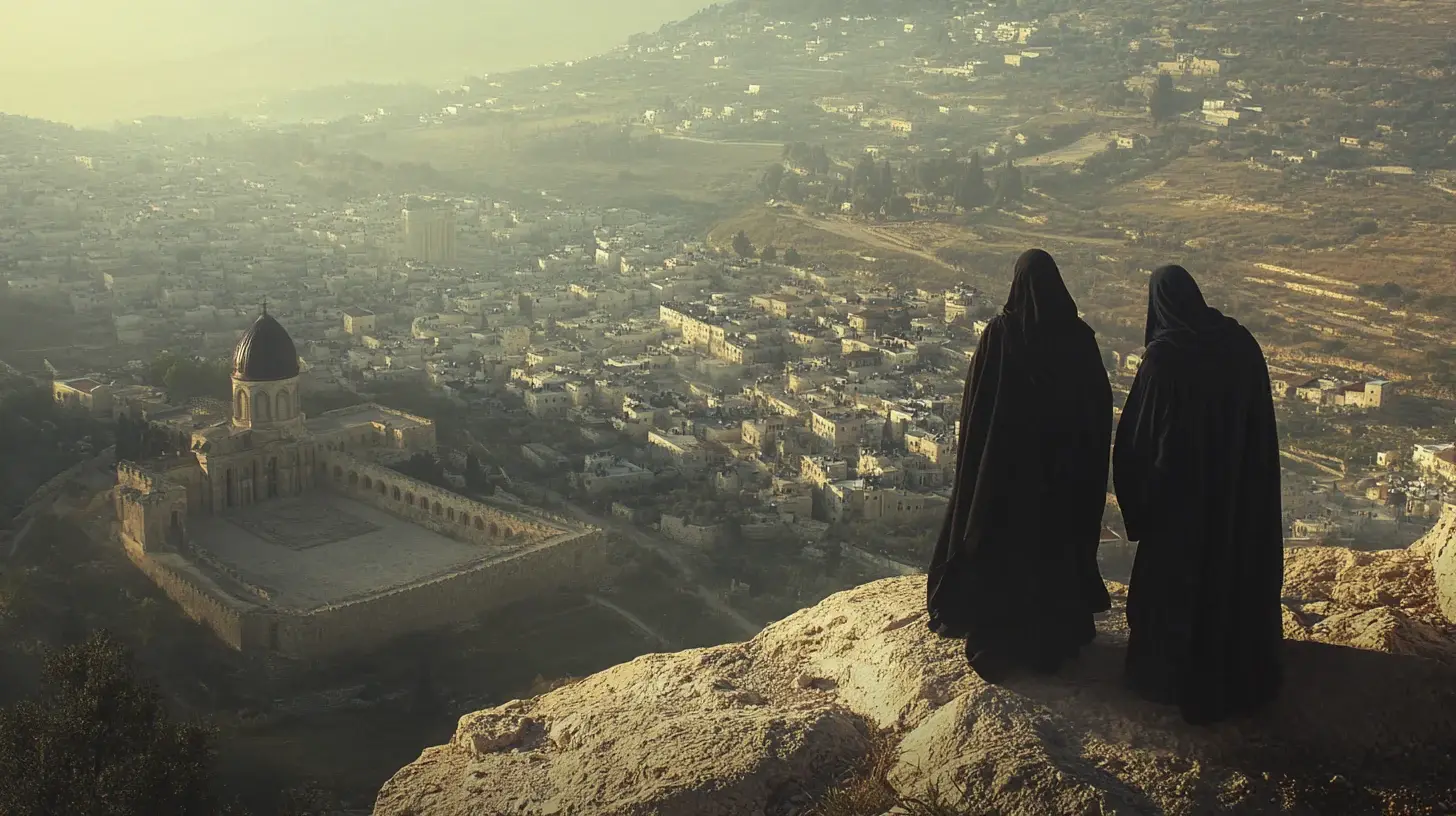
Just as new life began for God's children through the waters of Genesis, new life also began for God's chosen through the waters of the Red Sea. A few weeks ago, we discussed how new life began for God's people through the waters of baptism, focusing on the baptism of Jesus on the banks of the Jordan River. Immediately after his baptism, Jesus set off into the Judean Wilderness for a 40-day retreat of fasting, prayer, and preparation for his ministry to come. This period in the wilderness is rich with symbolism that connects back to the Old Testament.
The Symbolism of Forty Days
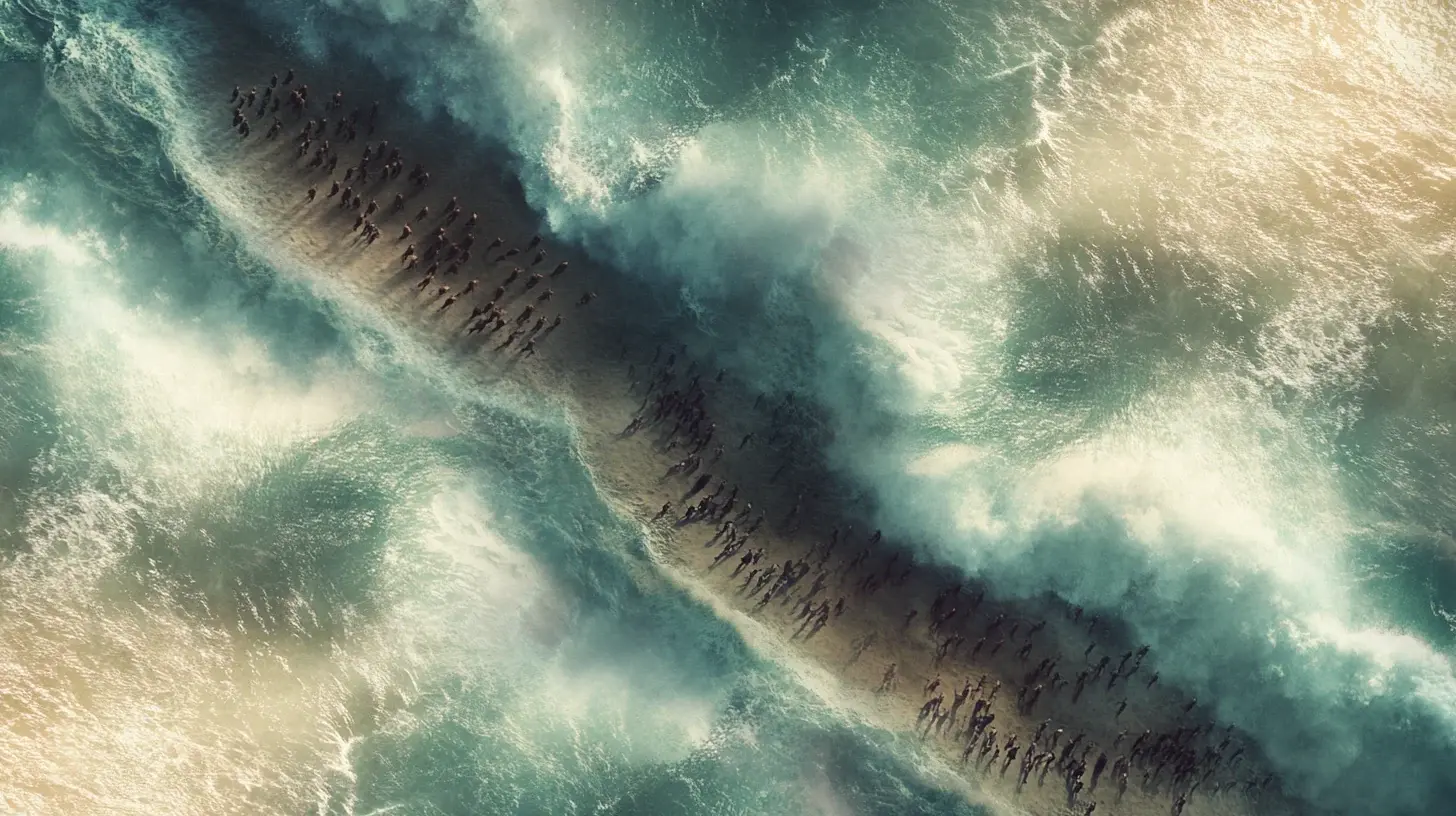
The number 40 holds significant meaning in the scriptures. Jesus's 40 days in the wilderness after his baptism are reminiscent of The Exodus experience for the people of Israel, who spent 40 years in the wilderness after being delivered through the waters of the Red Sea. Additionally, Moses fasted for 40 days on Mount Sinai as he received the law of God in Exodus 34, and Elijah undertook a 40-day fast on Mount Horeb in First Kings 19. This connecting of the dots between the Old and New Testaments is intentional and profound.
Understanding Biblical Typology
This method of connecting the Old Testament to the New Testament is known as biblical typology . It views the people and events of the Old Testament as "types" or foreshadowings of what is ultimately fulfilled in the New Testament. For example, Adam is considered a type of Christ. Paul tells us in Romans 5 that Adam is "a type of the one to come," referring to Jesus. Jesus's obedience in the New Testament undoes the damage caused by Adam's disobedience in Genesis. While Adam brought sin and death into the world, Jesus brings life and righteousness.